
GLAMPING SITE PLANNING AND DESIGN
SPATIAL PLANNING AND SITE DESIGN FOR NATURE-BASED HOSPITALITY PROJECTSDesign forms the foundation of every successfully realized project in a natural environment.
The goal is not visual impression, but a clearly defined, technically grounded, and long-term sustainable spatial solution.
Each project is developed through a precise analysis of the site, functional requirements, and real execution conditions, with a strong focus on technical stability, spatial efficiency, and long-term usability.
Wildhomes develops solutions for modern nature-based tourism projects.
What the Design Service Includes
Design includes the development of the complete spatial concept, including:- organization and zoning of the land
- glamping site planning
- defining access routes, internal circulation, and service zones
- Aligning design solutions with terrain, slopes, and orientation
- technical preparation for further implementation and installation
All solutions are developed with a clear objective: to be fully executable without on-site improvisation.
Location Analysis as the Starting Point
Every project begins with a detailed site analysis tailored to the specific location.
Topography, accessibility, natural surroundings, and existing infrastructure directly shape the spatial layout and overall site planning concept.
Design is not based on universal templates, but on adapting to real site conditions. Understanding a location’s potential often shapes the direction of the direction of the entire tourism concept.
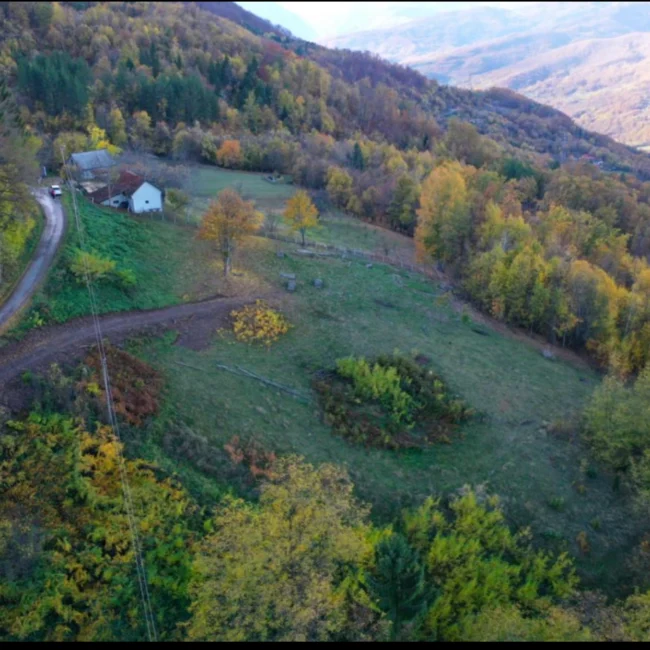
Functional and Technical Logic of the Site
Special attention is given to:
- proper spacing and orientation of accommodation units
- privacy and functional organization of accommodation units
- rational circulation and clear spatial logic
- simple and predictable implementation without the need for on-site adjustments
The design solution must be clearly understandable, technically sound, and stable for long-term use. This approach directly influences how users experience and use the space.
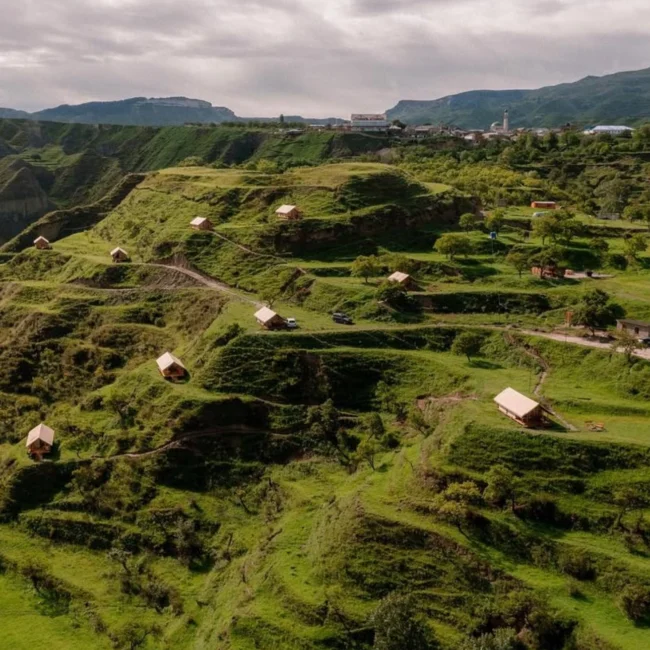
Connection Between Design and Implementation
Design is directly connected to the method of implementation.
At this stage, the structure, installation, and implementation timeline are already taken into account to avoid later changes and unplanned interventions.
In this way, the project maintains control from the initial concept to final execution, remaining directly connected to the technical processes on site.
Purpose of Project Solutions
Design services are intended for:
- investors developing nature-based hospitality projects
- landowners with development potential
- private and commercial projects that require a high level of technical precision
- partners who require a clearly defined and reliable foundation for project implementation
The final choice of structure type depends on the project goals, capacity, and location characteristics..
